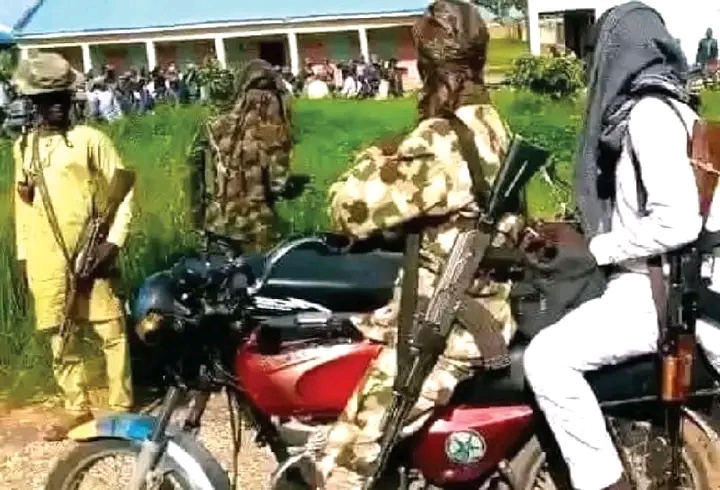
As insecurity deepens across the Northwest, several rural communities in Zamfara and Katsina states have quietly entered into local peace arrangements with armed groups—deals that residents say come with heavy financial and emotional costs.
In many of these villages, the relentless cycle of killings, kidnappings, and cattle rustling pushed locals into negotiating directly with the very groups tormenting them. Community leaders, farmers, and traders now admit that the only way to avoid violence has been to “buy peace,” often through regular payments, forced levies, or material tributes demanded by the bandits.
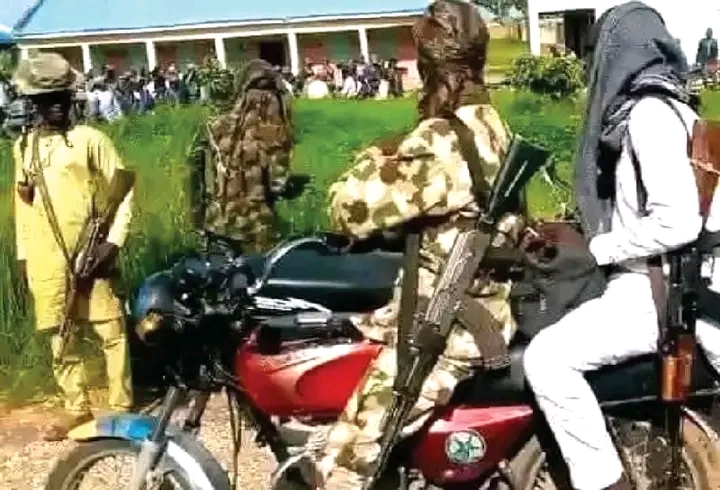
According to residents, these agreements vary from one settlement to another. In some cases, communities are required to pay fixed monthly sums; in others, they must provide motorcycles, fuel, food supplies, or even access to farmlands. Failure to meet these obligations, villagers say, often results in brutal retaliation—raids, abductions, or the burning of homes.
For many families, the cost of maintaining these arrangements is unsustainable. Farmers have sold livestock, depleted their savings, and abandoned large portions of their farmlands to ensure the fragile peace holds. Some communities now operate informal “security taxes” paid by households to raise the funds demanded by the armed groups.
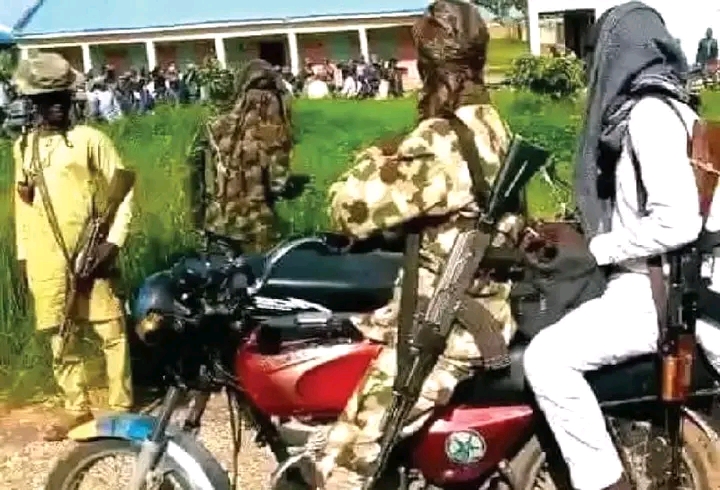
Local leaders acknowledge that while the agreements have reduced attacks in the short term, they have also entrenched the power of criminal gangs, creating parallel authorities that undermine state institutions. “We had no choice,” one village head explained. “We went to the government many times. The bandits were killing us. When help didn’t come, we had to negotiate to survive.”
Security experts warn that such arrangements, though understandable under the circumstances, could prolong insecurity by strengthening the bandits’ financial base and giving them greater influence over rural populations.
Despite government claims of ongoing military operations, many communities say they feel abandoned and forced to fend for themselves. As the dry season approaches—historically a period of intensified attacks—villagers fear that the demands of the armed groups will rise, potentially collapsing the fragile peace they have paid so dearly to secure.