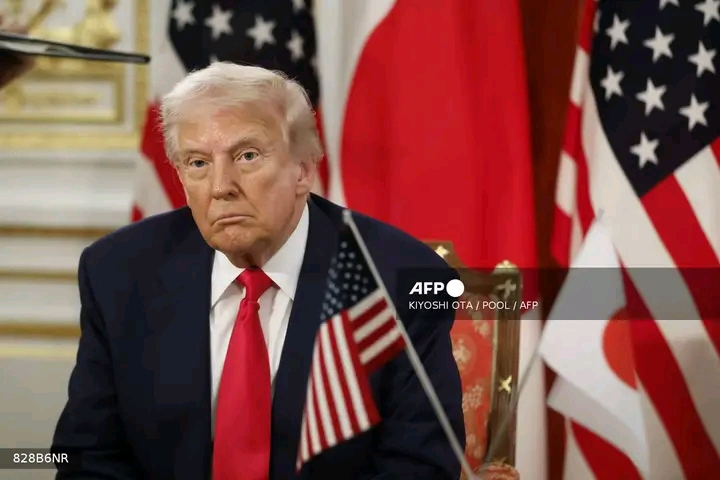
Former President Donald Trump has sharply escalated his rhetoric against six Democratic lawmakers, accusing them of “seditious behavior” and calling for their arrest and trial—including, controversially, suggesting their actions could be “punishable by death.”
The dispute centers on a 90-second video released by the six Democrats — all of whom have military or intelligence backgrounds — in which they urge U.S. service members to refuse any orders they believe are unlawful.
In the video, Senators Elissa Slotkin (Mich.) and Mark Kelly (Ariz.) and Representatives Jason Crow (Colo.), Chris Deluzio and Chrissy Houlahan (Pa.), and Maggie Goodlander (N.H.) speak directly to active-duty military and intelligence personnel, warning that the Constitution is under threat and emphasizing that “our laws are clear – you can refuse illegal orders … you must refuse illegal orders.” Trump responded with a flurry of angry posts on his social media platform, calling the lawmakers “traitors,” demanding they be “arrested and put on trial,” and asserting “their words cannot be allowed to stand.” In a particularly incendiary post, he declared: “SEDITIOUS BEHAVIOR, punishable by DEATH!”
He also amplified comments from supporters calling for the Democrats to be hanged.

White House Press Secretary Karoline Leavitt later pushed back on whether Trump was actually calling for executions, saying he did not intend to “execute members of Congress,” but insisted the lawmakers “should be held accountable.” The six lawmakers issued a joint statement condemning Trump’s rhetoric as dangerously violent.
They said: “What’s most telling is that the President considers it punishable by death for us to restate the law.” They reaffirmed their support for service members, urging Americans to “stand up for our laws, our Constitution … we have your back.” Legal experts, however, say Trump’s sedition accusations are unlikely to hold up in court.
According to analysis, there is no clear basis for charging the lawmakers with sedition under federal law — they were not plotting to overthrow the government, but rather exercising political speech. Military-law specialists also note that service members are already trained to refuse manifestly illegal orders under U.S. military law, and the video’s message is consistent with long-standing legal doctrine. Critics say Trump’s response dangerously politicizes the military, undermining trust in both civilian and uniformed institutions.