
When Akio Morita, co-founder of Sony, penned his now-famous article in the Harvard Business Review decades ago, Japan was already the world’s leading manufacturing powerhouse. His reflections captured the essence of a nation that rebuilt itself from the ruins of war into an industrial giant, setting standards in technology, production, and innovation.

Nigeria, by contrast, at 65 years of independence, is still grappling with questions of economic direction. Blessed with vast human and natural resources, the country has remained largely dependent on oil revenues, failing to diversify into manufacturing and value-driven industries as its peers did.Economists argue that successive governments missed critical opportunities to invest in infrastructure, research, and industrialisation. Countries like South Korea and Singapore, which were once on the same development rung as Nigeria in the 1960s, are today global leaders in manufacturing, technology, and trade.“Nigeria had the resources and the market size to industrialise early,” one analyst observed.
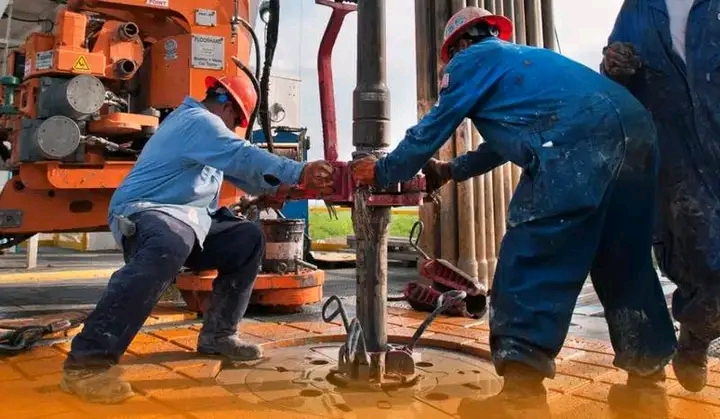
“But poor planning, corruption, and over-reliance on crude oil meant the country was always chasing, never leading.”At 65, the nation’s economy reflects a paradox—rich in potential, yet lagging in global competitiveness. The missed boat of industrialisation remains a painful reminder that without strategic planning and execution, natural wealth alone cannot drive lasting prosperity.