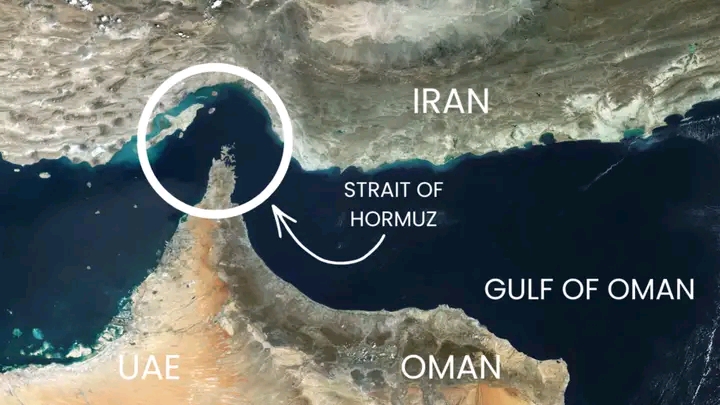
Iran has reportedly shut down the Strait of Hormuz once again, with multiple vessels said to be stranded mid-transit as tensions between Tehran and Washington continue to rise over an ongoing US blockade.
The move comes amid a worsening standoff, further deepening uncertainty around already fragile diplomatic efforts and casting doubt on the possibility of renewed peace talks in the near term.
The Strait of Hormuz, one of the world’s most critical oil transit routes, plays a major role in global energy supply. Any disruption in the area typically triggers concern across international oil markets, with fears of price instability and supply chain disruptions now resurfacing.
As the situation develops, global observers are closely monitoring the geopolitical fallout and potential economic impact of the closure.
Welcome to KjtsonBlog, your trusted source for Nigerian celebrity news, Naija entertainment updates, and trending news in Nigeria. Stay connected to the latest gist, events, and stories across Naija and worldwide.