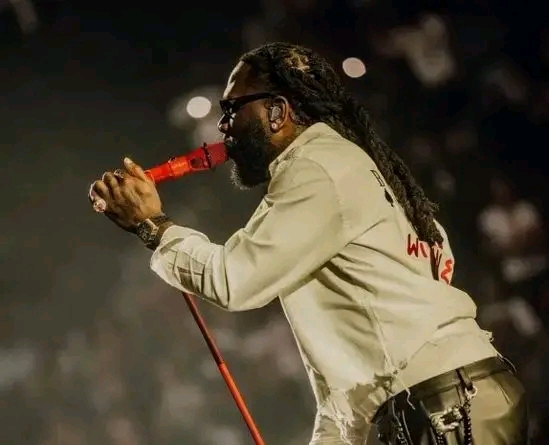
Fame — unlike the art that creates it, whether music, film, or literature — does not exist in a vacuum. It thrives in public spaces, feeds on audience perception, and in turn shapes how the world interprets its stars. Celebrities, elevated by their visibility, possess immense power to influence narratives around themselves. In many ways, they become the curators of their own rise — and sometimes, the engineers of their own downfall.
The phenomenon of cancel culture has intensified this delicate balance. For Burna Boy, one of Africa’s biggest musical exports, recent events have placed him squarely at the center of this global conversation. Reports of half-filled arenas, postponed concerts, or outright canceled shows have sparked intense debates online, with critics pointing to controversial statements and perceived arrogance as factors contributing to public backlash.
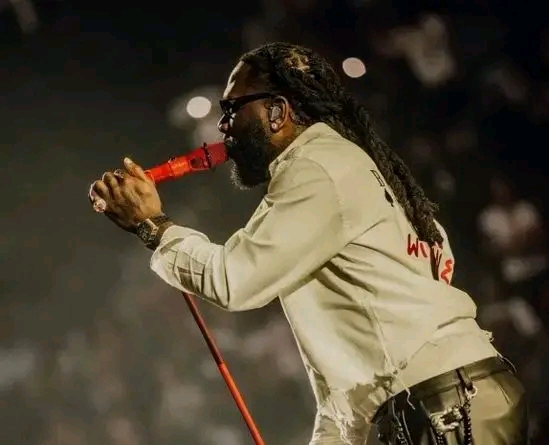
Supporters argue that Burna Boy remains one of the continent’s most talented and impactful artistes, and that his struggles reflect the unpredictable realities of modern fandom — where a single moment can ignite mass outrage, and where digital communities can quickly shift from adoration to condemnation.
Yet, beyond the noise, Burna Boy’s situation underscores a broader truth: cancel culture is not merely about accountability or consequences. It is about the fragility of public acceptance and the speed at which cultural tides can turn. In this era, fame is no longer just earned; it is constantly negotiated. One misstep, one misunderstood comment, or one viral narrative can shift an artiste’s trajectory.
For global stars like Burna Boy, the challenge is not simply creating art — it’s navigating a world where audiences wield unprecedented power, where social media amplifies every action, and where the line between criticism and cancellation grows increasingly thin.
In the end, the conversation is bigger than one artiste. It reflects a cultural moment where the world is reconsidering what it means to celebrate, condemn, forgive, or forget — and how quickly public sentiment can reshape the careers of those who live their lives in the spotlight.