
In the two years since President Bola Tinubu took office on May 29, 2023, Nigerians have had ample opportunity to reflect on their socio-economic well-being.
A widespread sentiment emerging from this period of introspection is a collective conclusion that their circumstances have not improved, and in many cases, have deteriorated compared to the period preceding his administration. This pervasive feeling suggests that the hopes and expectations many Nigerians held at the dawn of the new presidency have largely gone unfulfilled, leading to a prevalent sense of stagnation or regression in their daily lives.
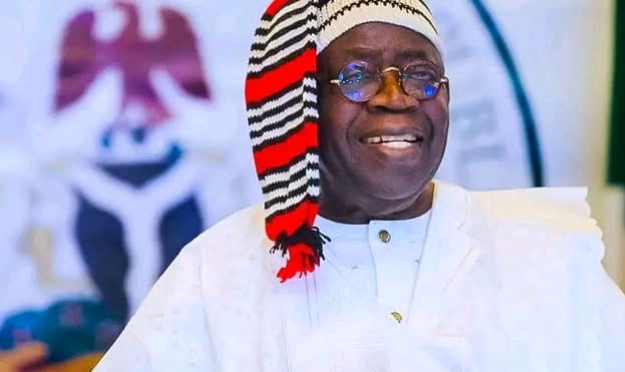
This assessment encompasses various facets of Nigerian life, from economic stability and purchasing power to security and access to essential services. Many citizens point to rising inflation, a depreciating currency, and increasing costs of living as primary indicators of their worsened condition.
The impact of these economic realities on ordinary households has been profound, leading to a struggle to afford basic necessities and maintain their standard of living. Beyond economic indicators, there are also concerns about the effectiveness of government policies in addressing long-standing issues such as unemployment, infrastructure development, and insecurity, which continue to plague different regions of the country.