For years, few issues have united America’s fiercely divided political establishment as much as China — long viewed as the United States’ principal rival and an inevitable adversary in global affairs.
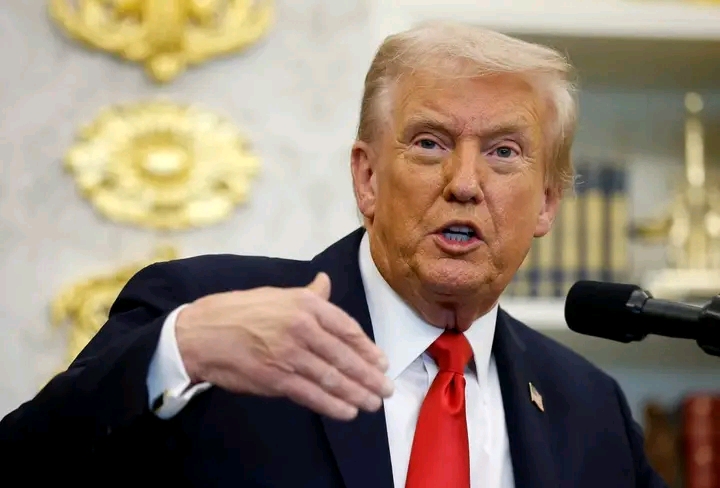
Yet, former President Donald Trump is now questioning that consensus as he meets with Chinese President Xi Jinping in a bid to reshape the future of US-China relations.
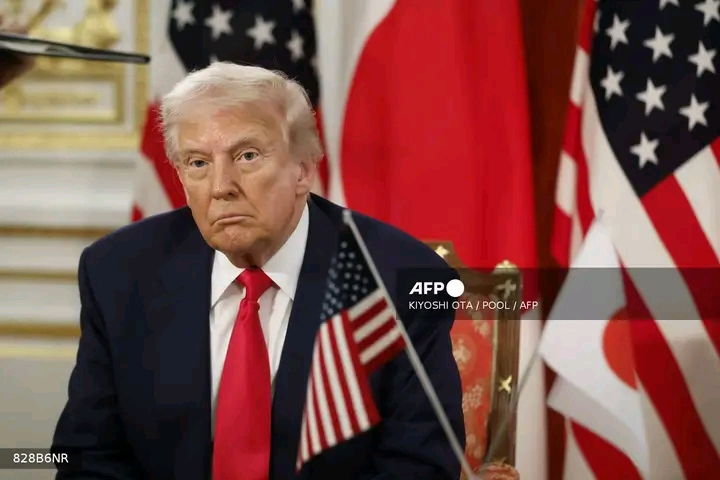
The meeting, which comes amid growing tensions over trade, technology, and security, marks a pivotal moment in Trump’s foreign policy approach as he signals a willingness to revisit assumptions that have defined Washington’s stance toward Beijing for decades.
Trump, who during his presidency launched a bruising trade war with China, has in recent months adopted a more pragmatic tone, suggesting that engagement — rather than confrontation — could better serve US interests. “We need a strong relationship with China,” he said recently, adding that both nations “stand to gain from fair and balanced cooperation.
”Analysts say Trump’s shift could redefine America’s geopolitical strategy, potentially steering away from the bipartisan consensus that has portrayed China primarily as a threat. However, critics warn that any softening of tone must not overlook Beijing’s human rights record, military expansion in the South China Sea, and growing influence in global markets.
As Trump and Xi meet, the world watches closely to see whether the encounter will ease tensions or deepen strategic rivalry — and whether Trump’s challenge to Washington’s long-held assumptions about China will reshape the balance of power between the world’s two largest economies.