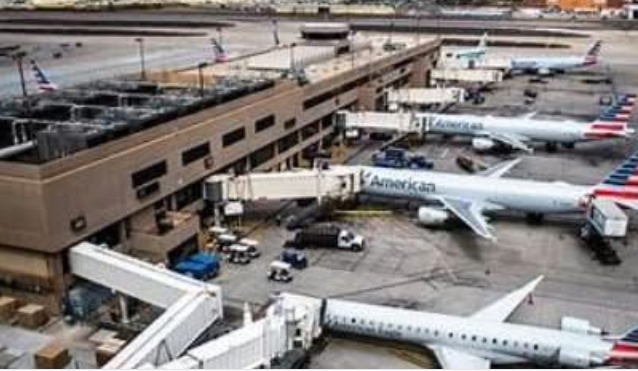
The cost of air travel within Nigeria has seen a dramatic increase, with some domestic airlines raising ticket prices to the South-East and South-South regions by an astounding 131 per cent in anticipation of the upcoming Yuletide season. This sharp spike in fares is a significant concern for many Nigerians planning to travel home for the holidays.
The Yuletide period, which encompasses Christmas and New Year, is a peak travel season in Nigeria. Millions of people, particularly those living in major cities like Lagos and Abuja, travel to their hometowns to celebrate with family and friends. This high demand has historically led to elevated ticket prices, but this year’s increase is particularly steep and has left many travelers scrambling to afford the journey.
Factors Behind the Fare Increase
Several factors are contributing to this exorbitant fare increase. One of the primary drivers is the high cost of aviation fuel, known as Jet A1. The price of Jet A1 has been unstable and on the rise, directly impacting the operational costs of airlines. These increased costs are often passed on to consumers through higher ticket prices.
In addition, the festive season’s high demand allows airlines to implement surge pricing. With a limited number of flights and a massive influx of travelers, airlines have little incentive to keep prices low. The law of supply and demand is in full effect, and travelers are forced to pay a premium for a seat on a flight. Other potential factors include the devaluation of the naira, which makes maintenance and spare parts, often purchased in foreign currency, more expensive, and the overall economic challenges facing the aviation sector.
Impact on Travelers
This significant fare hike presents a considerable financial burden for many families. For some, the cost of a single one-way ticket now rivals, or even exceeds, what they might spend on a round-trip ticket during off-peak seasons. This has forced many to reconsider their travel plans, with some opting for longer and more arduous road trips, while others may be unable to travel at all. The ripple effect of these price increases can be felt across various sectors, as it impacts not only personal travel but also business and commerce in the affected regions.
The situation highlights a recurring challenge in Nigeria’s travel industry: the lack of a stable and affordable travel infrastructure, particularly during peak seasons. As the Yuletide season approaches, many are calling for government intervention or regulation to help stabilize prices and make holiday travel accessible for all.