
For decades following its independence, Nigeria’s political landscape was characterized by a turbulent cycle of military interventions and brief periods of civilian governance. This instability often hindered economic development and fostered an atmosphere of political uncertainty. However, the return to civilian rule in 1999 marked a pivotal turning point. The subsequent holding of seven consecutive general elections, each one a testament to the nation’s evolving political will, has demonstrated an increasing commitment to the principles of a multi-party system and the peaceful transfer of power.
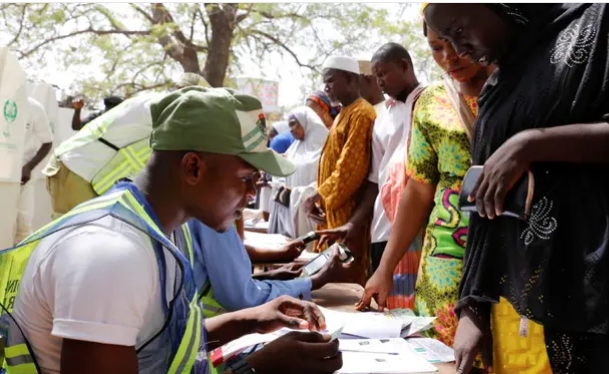
This unprecedented period of civil rule has allowed for the gradual strengthening of democratic institutions, including the Independent National Electoral Commission (INEC), the judiciary, and civil society organizations. While these institutions continue to face significant hurdles, their ability to oversee multiple electoral cycles—some of which have been highly contentious—underscores their growing capacity and resilience. This sustained democratic practice is crucial not only for Nigeria’s internal stability but also for its role as a regional powerhouse, as it provides a model for other African nations seeking to transition to or consolidate democratic governance.