The Nigerian Senate witnessed a dramatic and contentious session on Wednesday as it deliberated on President Bola Ahmed Tinubu’s proclamation of a state of emergency in Rivers State.
This proclamation, intended to address escalating security concerns and political instability within the state, ignited a fierce debate, culminating in a walkout by prominent senators.
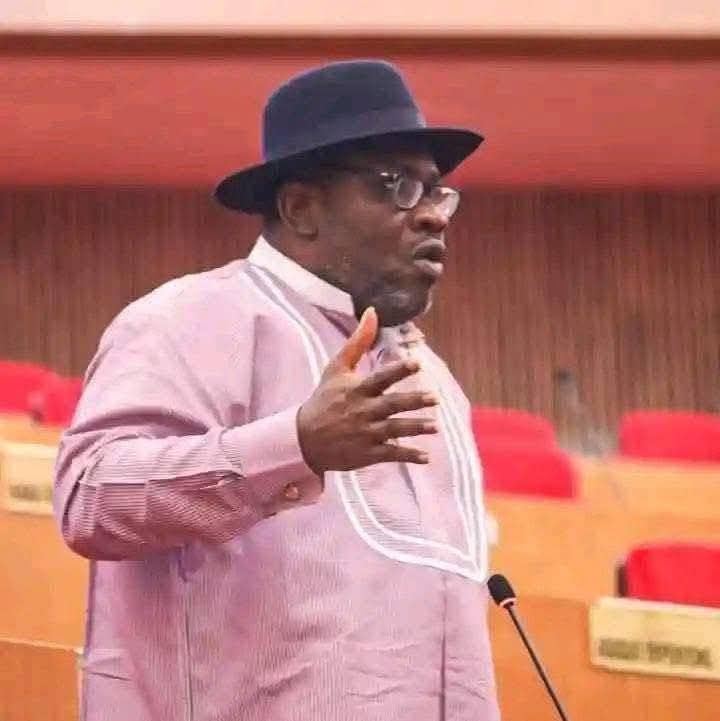
The crux of the controversy stemmed from the president’s proposed measures, particularly the suspension of elected officials in Rivers State, a move that several senators deemed unconstitutional. During a closed-door session, Senator Seriake Dickson, a former governor of Bayelsa State, spearheaded the opposition, arguing vehemently against the legality and necessity of suspending elected representatives.
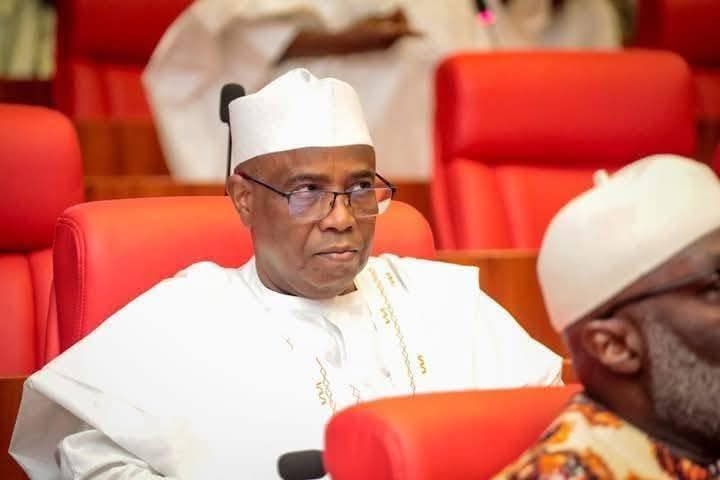
He was joined by Senators Enyinnaya Abaribe and Aminu Waziri Tambuwal, who echoed his concerns about the potential erosion of democratic principles.Despite their strong objections, the Senate, in a decisive vote, endorsed President Tinubu’s proclamation. The majority’s support effectively quashed any possibility of an open debate on the matter, leaving the dissenting senators feeling marginalized and unheard.
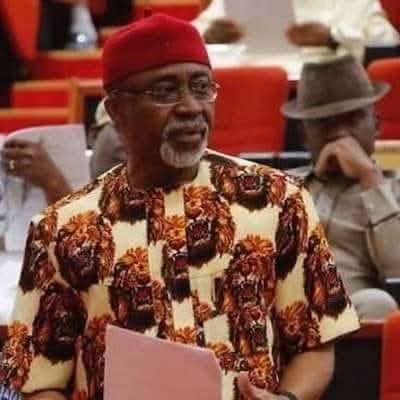
The decision to proceed without a full public debate further fueled the tension, leading to the dramatic walkout. Senators Dickson, Abaribe, and Tambuwal, visibly displeased with the outcome and the process, exited the plenary session before Senate President Godswill Akpabio could formally announce the Senate’s resolution. This act of protest underscored the gravity of their concerns and their dissatisfaction with the Senate’s handling of the issue.Following their departure, Senator Dickson addressed the media, expressing his gratitude to the senators who had supported his position. He acknowledged that the presidency had made certain modifications to the original proclamation, introducing oversight mechanisms. However, he maintained that these adjustments did not alleviate the fundamental constitutional flaws inherent in the proclamation.”I appreciate the efforts to adjust the terms, but it doesn’t change the fact that this proclamation lacks constitutional backing,” Dickson reiterated, emphasizing his unwavering stance on the matter.
He went on to criticize Senate President Akpabio, accusing him of attempting to stifle dissenting voices. “The Senate is a meeting of equals, and no lawmaker should be censored for speaking on national issues,” he asserted, highlighting the importance of free speech and open debate within the legislative body.
The walkout and the subsequent statements by the dissenting senators have brought to the fore deep-seated concerns about the balance of power between the executive and legislative branches of government.
The incident has also raised questions about the Senate’s role in upholding constitutional principles and safeguarding democratic processes. The events of this session are likely to have lasting implications for the political landscape in Nigeria, particularly in relation to the ongoing situation in Rivers State.