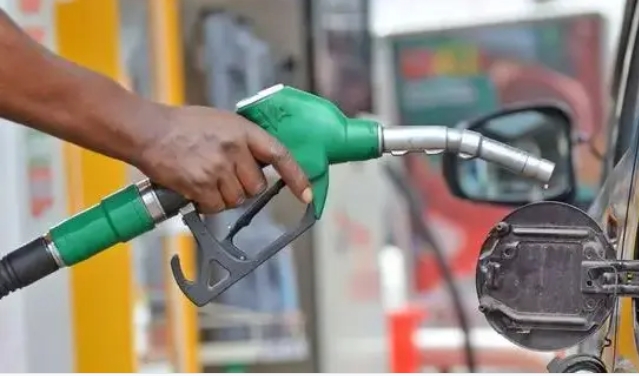
While three major players—Dangote Petroleum Refinery, Aiteo, and AA Rano—have reduced the depot price of Premium Motor Spirit (PMS), or petrol, the pump price for consumers has slightly increased from N821 to N823 per liter. This happens even as crude oil prices on the international market have gone up from $65 to $67 per barrel.
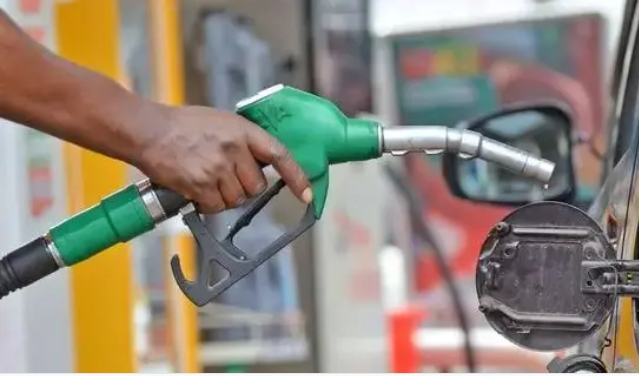
This apparent paradox—depot prices falling while consumer prices rise—could be influenced by several factors. A reduction in the wholesale or depot price by the oil marketers suggests that their direct cost to acquire the fuel has decreased. This could be due to a variety of reasons, such as improved refining efficiency, a temporary surplus in their own supply, or changes in internal logistics.
However, the final price that consumers pay at the pump is determined by more than just the depot price. Other variables come into play, including transportation costs, operational expenses for the filling stations, taxes, and the profit margins for both the marketers and the retailers. A slight increase in the pump price despite lower depot costs might indicate that one or more of these other factors have risen, offsetting the savings from the reduced depot price. For example, higher transportation costs due to increased security or bad roads could be passed on to the consumer.
The change in the international crude oil price, though a factor, may not immediately or directly affect the final retail price in the same way. The price of crude oil impacts the cost of producing or importing the refined product, but the retail price is a complex calculation that includes all the domestic costs mentioned earlier.
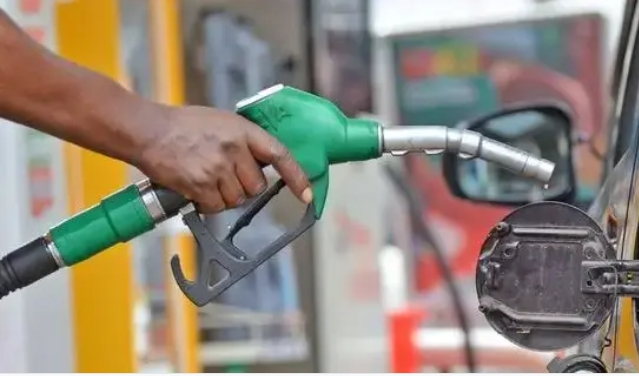
Ultimately, this situation illustrates the complex chain of factors that influence fuel prices in a country. A change in one part of the supply chain, such as the depot price, doesn’t always translate directly to the consumer’s pocket, as other domestic costs can push the final price up.